ServicesNew Roof Installation
New Roof Installation in Casa Grande
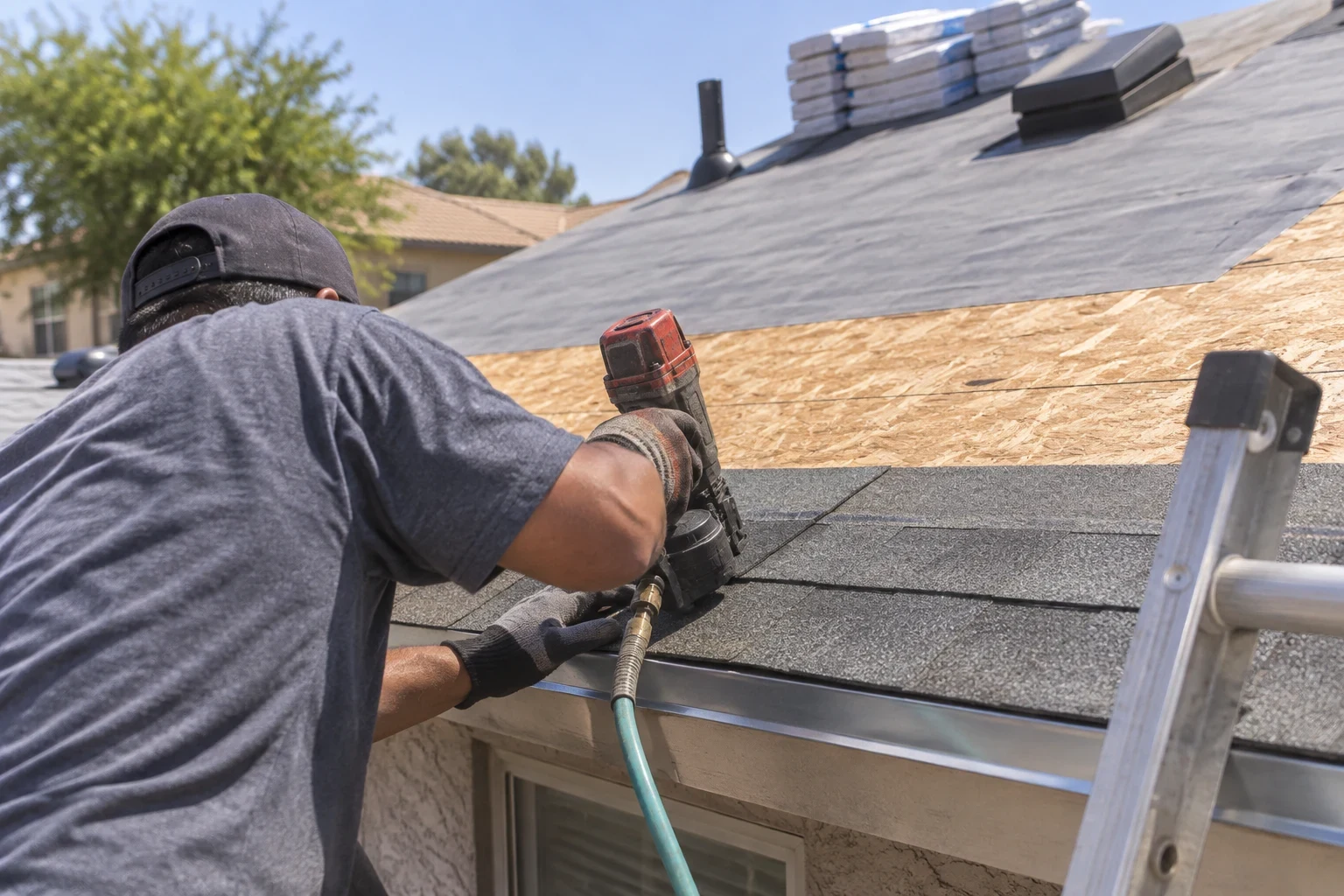
Building a new home, an addition or a casita? We plan the roof around what is actually there: the pitch, the framing, how water will leave each section. Then we install a tile, shingle or foam system that suits it, so your home starts with a roof that fits.
A roof planned for the building it sits on
New roof installation is for framing that has never had a roof on it: a new house, a room addition, a detached garage or a casita out back. It is different from roof replacement, where an old roof comes off first. With a new build, the choices you make now set how the roof handles heat and water for decades.
Most problems we see on newer roofs trace back to a mismatch made on day one. Tile laid on a pitch that is too low for it. A flat section with no real slope to the drain. Thin underlayment under concrete tile in a place where summer roof temperatures run far past what the air feels like. So before we suggest a material, we look at the plans, the pitch of every plane and where water will go. Then we recommend what fits.
What your new roof includes
- 01
Plan and pitch review
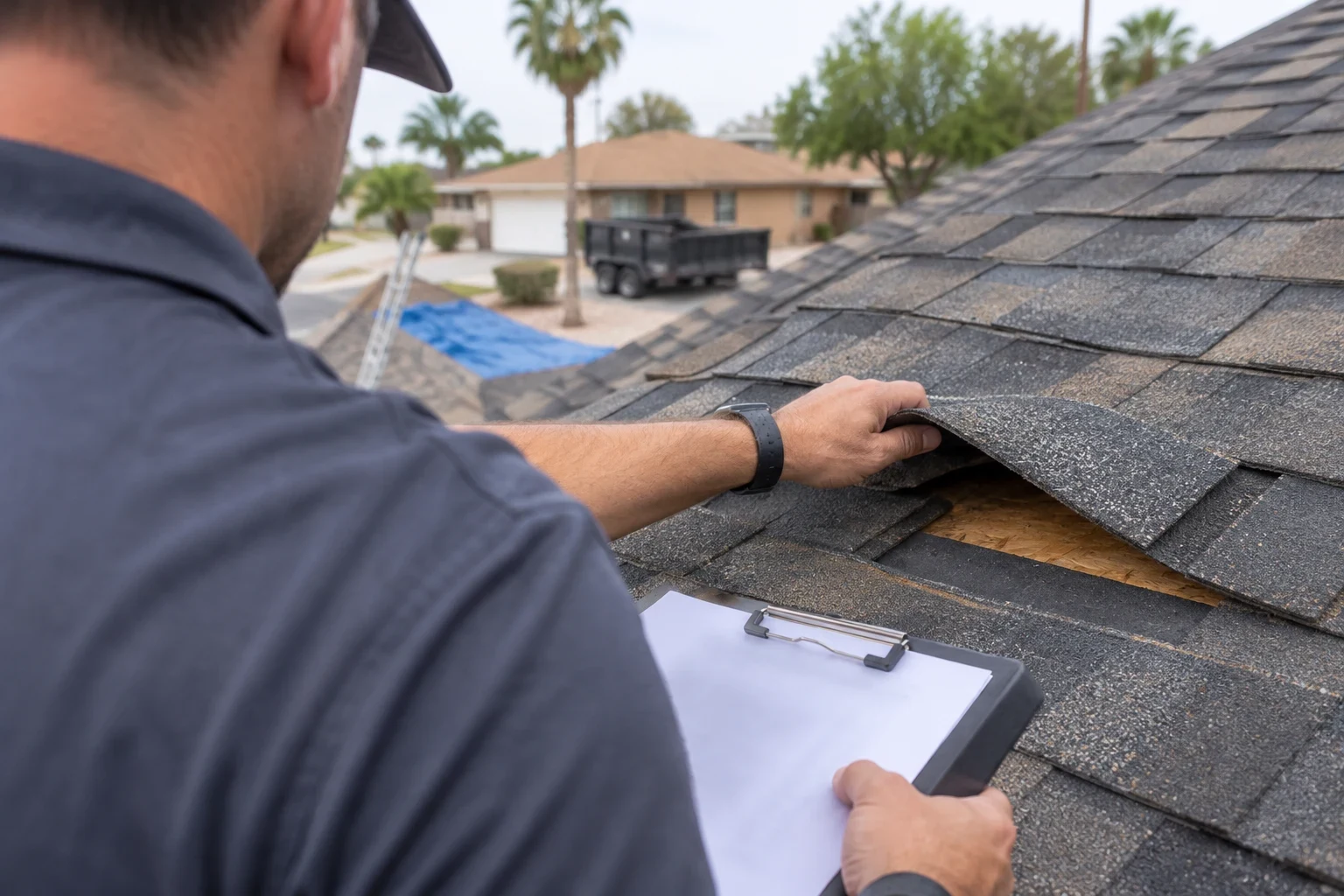
We go through your plans or the open framing and measure the pitch of each section. That tells us which materials will work where, and where a low-slope area needs a different system.
- 02
Deck and dry-in
We check the sheathing is fastened and flat, then put down the underlayment that suits the material going on top. Under tile, that layer does most of the waterproofing work, so we do not skimp on it.
- 03
Flashing at every edge and opening
Walls, valleys, vents, chimneys and the joint between an addition and the existing roof all get proper metal flashing. These spots are where new roofs leak first when they are rushed.
- 04
Attic airflow sized to the space
We work out how much air needs to come in low at the eaves and leave high at the ridge or vents, then set both to match. A attic that breathes keeps hot air from cooking the underside of the roof, and your air conditioning gets a little relief in July.
- 05
The roof system itself
Concrete or clay tile, architectural shingles, or spray foam with a protective coating on flat and low-slope sections. Each has its own page, Tile Roofing, Shingle Roofing and Foam Roofing, if you want the details.
- 06
Cleanup and a final walk
We magnet-sweep for nails, haul off scrap and walk the finished roof with you so you know what you are getting.
Questions about New Roof Installation?
Call(520) 645-3253When new roof installation is the right call
You are building a new home
You might have a builder running the project or be managing it yourself. Either way, we can roof the house once framing and sheathing are done.
An addition is joining your existing roof
The tie-in between old and new is where leaks like to start. We match the material where we can and flash the joint so water has nowhere to slip through.
A casita, garage or workshop needs a roof
Smaller buildings often have low slopes or flat roofs. Foam or a flat roofing system may suit them better than tile.
You are enclosing a patio
Turning a patio into living space usually means the cover needs a real roof rated for the slope, not the light panels that were there before.
The framing has been rebuilt
If a structure was opened down to the rafters after a remodel, it needs a full new roof system from the deck up.
How the job runs
- 1
Talk it through by phone
Tell us what you are building and where. We ask about the plans, the size and the timeline so the site visit is useful.
- 2
Site visit and recommendation
We look at the framing or plans in person, measure the pitches and explain which system fits each section and why. You get a written, line-item estimate.
- 3
Permit and scheduling
We handle the roofing permit with the local building department and set a date that lines up with your other trades. In the summer months we start early to keep crews and materials out of the worst heat.
- 4
Installation
Dry-in comes first so the structure is protected, then flashing, then the finished roof. We keep your yard clear and stack materials where they will not block the build.
- 5
Final check and handoff
We walk the roof with you, show you photos of the layers that are now hidden and go over the warranty.
What moves the price
We price each new roof from the measurements we take on site, so we wait to give you a number until we have seen the framing or the plans. The items below make the biggest difference. Your written estimate breaks every one of them out separately, which means you know what you are paying for before work starts and nothing new shows up halfway through.
- Size and number of planes
- A simple gable costs less per square than a roof with hips, valleys and dormers, which take more cutting and flashing.
- Material choice
- Tile weighs more and takes longer to lay than shingles. Foam is priced by thickness and the coating that goes over it.
- Pitch and access
- Steep roofs need extra safety setup. Tight lots or two-story walls can mean more labor to get materials up.
- Tie-ins and details
- Joining an addition to an existing roof, extra vents, skylights and chimneys all add flashing work and time.
Questions about new roof installation
How is this different from roof replacement?
New roof installation goes on framing that has never been roofed, like a new home or an addition. Roof replacement means tearing off an old roof first and dealing with whatever is underneath. If you have an existing roof that is failing, our Roof Replacement page is the better fit.
Which material should I pick for a new build?
It depends on the pitch more than anything. Tile and shingles need enough slope to shed water, while flat and very low-slope sections do better with foam or another flat roofing system. Many homes around Casa Grande use more than one. We will show you which areas suit which material.
Can you work with my general contractor?
Yes. We coordinate with your builder on when sheathing will be ready and when other trades need the roof dried in. Clear dates help keep the whole project on schedule.
What credentials do you hold, and is the work covered?
We hold an Arizona KB-2 contractor license. Our installation work comes with a 10-year labor warranty, and we go over exactly what it covers when we hand off the finished roof.
How long does installation take?
A shingle roof on an average house is often a few days of work. Tile takes longer, and additions depend on the tie-in. We give you a realistic schedule once we have seen the job.
Starting a build or an addition?
Tell us about your project and we will plan a roof that fits the framing and the slope. We work in Casa Grande and nearby towns like Maricopa, Coolidge and Eloy.